Loading...
What Makes a Small Business Website Actually Convert Visitors Into Customers
December 2025·8 min read·By JB Media Team
Your website isn't a digital brochure. It's a 24/7 salesperson that either brings in enquiries while you sleep or sits there looking pretty while potential customers click away to your competitors. The difference comes down to a handful of specific, measurable elements.
1. A headline that speaks to your customer's problem. Visitors form a first impression of your website in roughly 50 milliseconds. Your homepage headline needs to immediately communicate what you do and who you do it for. "Welcome to Smith's Plumbing" wastes that moment. "Emergency Plumber in Leeds: Fixed Prices, Same Day Service" tells the visitor exactly what they need to know. Lead with the benefit your customer is looking for, not your business name.
2. Social proof above the fold. Before a visitor scrolls, they should see evidence that other people trust you. A star rating with the number of reviews, a row of recognisable client logos, or a short testimonial with a real name and photo. Research shows that the optimal rating for conversions is actually 4.2 to 4.5 stars, not a perfect 5.0. A perfect score looks suspicious. A 4.7 with 200 reviews looks credible.
3. One clear call to action per page. Every page on your website should guide visitors toward a single primary action: "Get a Free Quote," "Book a Consultation," or "Call Now." When you give people too many options, they choose none. Studies on personalised calls to action show they can perform over 200% better than generic ones. "Get Your Free Plumbing Quote" converts better than "Contact Us" because it's specific to what the visitor wants.
4. Real photography, not stock images. We've covered this in detail in our photography article, but it bears repeating here: websites using authentic photos of the actual business, team, and products convert up to 35% better than those using stock photography. If the first thing a visitor sees is a generic stock photo of people shaking hands in a boardroom, you've already lost credibility.
5. Mobile first design (because that's where your visitors are). Over 60% of web traffic comes from mobile devices. But mobile conversion rates still lag behind desktop, largely because too many small business websites are difficult to use on a phone. Buttons too small to tap. Text too small to read. Forms that require typing long responses on a tiny keyboard. Design for the phone screen first, then scale up to desktop.
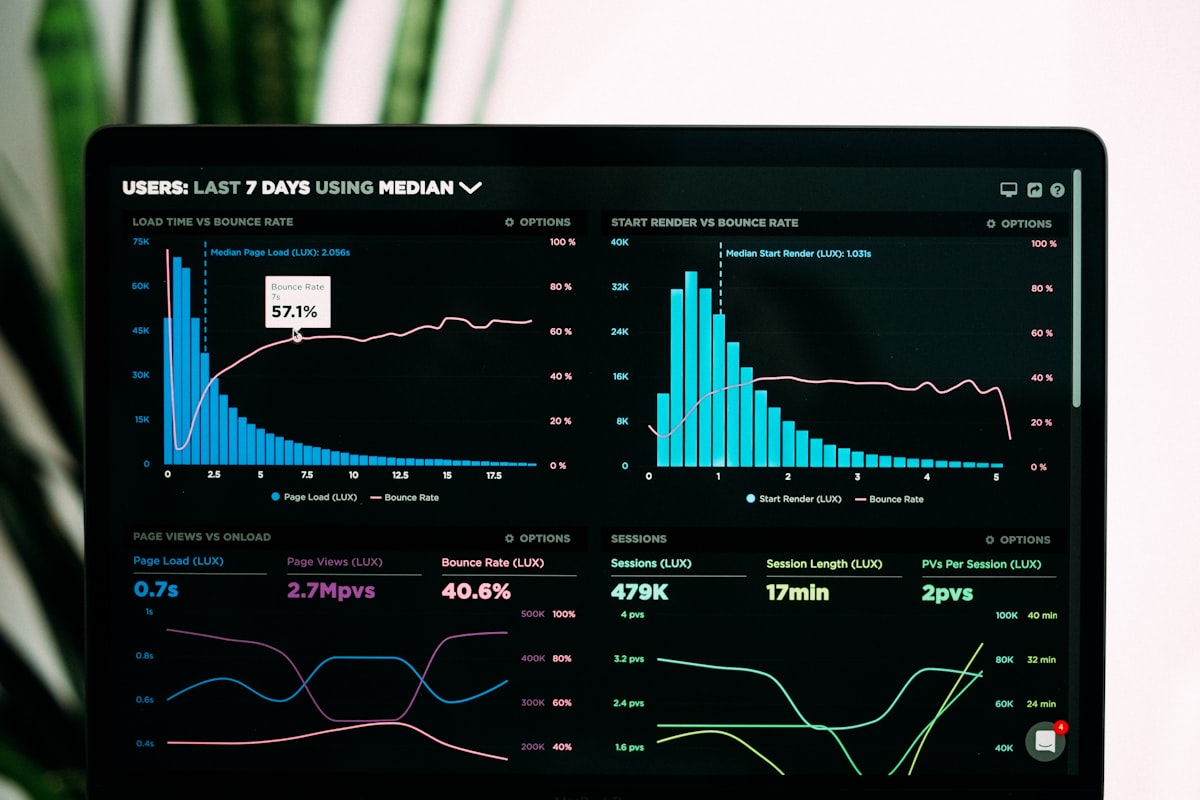
6. Page speed is a conversion lever. Research shows that each additional second of page load time reduces conversions by approximately 4.4%. If your site takes 5 seconds to load instead of 2, you're losing a significant percentage of potential customers before they even see your content. The fix is usually straightforward: compress images (most small business websites have uncompressed photos that are 5 to 10 times larger than they need to be), use a decent hosting provider, and remove any plugins or scripts you're not actively using.
7. Your Google Business Profile and website need to match. Your business name, address, and phone number must be identical on your website, your Google Business Profile, and every directory you're listed on. Inconsistencies confuse Google and hurt your local search rankings. This sounds basic, but we find mismatches on about half the small business websites we audit. Sometimes it's a different phone number. Sometimes the address format is slightly different. Google notices.
8. Contact information everywhere, not just the contact page. Don't make visitors hunt for how to reach you. Your phone number should be in the header (tappable on mobile). A short contact form or "Get in Touch" button should appear on every page. Your email should be in the footer. Eye tracking studies show that users spend roughly 80% of their viewing time on the left half of a page, so place your key contact information and CTAs where people are actually looking.
A website that ticks all eight of these boxes will outperform a more visually impressive site that misses them. Design matters, but conversion matters more. We build every website with these principles baked in from the start, so you get a site that looks great and actually generates business. If your current website isn't bringing in regular enquiries, get in touch for a free review.
JB
JB Media Team
Web Design & Conversion
More from the blog
Social Media
7 Social Media Mistakes Small Businesses Make (And How to Fix Them)
Posting inconsistently? Using the wrong hashtags? Here are the most common social media mistakes we see, with the data behind why they hurt and exactly how to fix each one.
Photography
Why Professional Photos Are Your Best Marketing Investment
Stock photos are killing your credibility. Here's the data on why real photography of your business pays for itself, with the maths to prove it.
SEO
SEO for Small Businesses: A No-Jargon Guide to Getting Found on Google
You don't need to be a tech expert to rank on Google. Here's a practical guide to the SEO fundamentals that actually move the needle for local businesses.